Saltwater Hot Tub Guide

*We may earn a commission for purchases made using our links. Please see our disclosure to learn more.
Imagine stepping into perfectly balanced hot tub water that feels like silk against your skin—no harsh chemical smell, no stinging eyes, no tight, dried-out feeling afterward. For thousands of hot tub owners tired of battling cloudy water, endless chemical adjustments, and that persistent chlorine odor, saltwater systems have become the solution they didn’t know existed.
The traditional hot tub routine can feel exhausting: weekly trips to the pool store with water samples, cabinets full of various chemicals, constant pH balancing, and the nagging worry about storing harsh substances around family and pets. Meanwhile, the very thing meant to provide relaxation becomes another source of stress. Many hot tub owners reach a breaking point where the maintenance burden outweighs the enjoyment, leaving their investment underused and their wellness goals unmet.
Saltwater hot tubs promise a different experience—one with softer water, fewer chemicals, reduced maintenance, and a more natural approach to sanitation. But the transition isn’t just about switching systems; it’s about understanding whether this change aligns with your lifestyle, budget, and expectations. This comprehensive guide explores everything you need to know about saltwater hot tubs, from the science behind them to the real-world experience of living with one.
“The transition to a saltwater system isn’t just about changing how you sanitize your hot tub—it’s about reclaiming the relaxation and enjoyment that brought you to hot tub ownership in the first place.”
— Pool & Spa Maintenance Magazine
Key Takeaways
- Gentler on skin and eyes: Saltwater hot tubs produce chlorine naturally through electrolysis, resulting in softer water with fewer harsh chemical byproducts
- Lower maintenance requirements: Once properly balanced, saltwater systems require less frequent monitoring and chemical additions than traditional systems
- Cost-effective long-term: While initial setup costs are higher, you’ll save money on chemicals over time
- Better water quality: Consistent chlorine production means more stable water chemistry and fewer sudden imbalances
- Environmental benefits: Reduced chemical usage means less environmental impact and fewer harsh chemicals stored at home
Recommended Saltwater Hot Tub Products
Before diving deeper into the world of saltwater hot tubs, here are four highly-rated products available on Amazon US that can help you get started or upgrade your existing system:
1. Intex Krystal Clear Saltwater System


Transform your spa or above-ground pool into a clean, low-maintenance oasis with the Intex Krystal Clear Saltwater System. Designed for pools up to 15,000 gallons, this system uses natural salt to generate chlorine, keeping your water crystal clear without harsh chemicals. The advanced HydroAeration Technology improves circulation and water clarity, while the intuitive control panel makes operation effortless. Perfect for saltwater hot tubs and pools, it provides a gentle, eco-friendly way to sanitize your water and reduce the need for traditional chlorine treatments.
For those maintaining a saltwater hot tub or pool, the Intex Krystal Clear Saltwater System is a smart investment. It uses natural salt to generate chlorine automatically, keeping your water clean, clear, and soft on the skin. With its built-in HydroAeration Technology, this system enhances water freshness and reduces harsh chemical use—making it an excellent option for anyone who loves the benefits of a saltwater spa without the constant upkeep.
- Eco-Friendly System: Uses natural salt to sanitize water, reducing the need for chemical chlorine.
- Easy Operation: Simple control panel allows quick setup and automatic cleaning cycles.
- Enhanced Clarity: HydroAeration Technology improves circulation and keeps water fresh.
- Limited Capacity: Designed for pools up to 15,000 gallons—may not suit larger setups.
- Requires Regular Salt Checks: Needs periodic salt level monitoring for best performance.
- Initial Setup Effort: Installation may take time for first-time users.
2. Solaxx CLG10A Saltron Retro Self-Cleaning Salt Chlorine Generator


Upgrade your saltwater hot tub or pool with the Solaxx Saltron Retro Salt Chlorine Generator, a user-friendly and efficient system that delivers crystal-clear, naturally sanitized water. Designed for pools up to 20,000 gallons, this plug-and-play chlorinator requires only 3,000 ppm of salt to operate—offering a gentler alternative to harsh chemical chlorine. With its self-cleaning function and built-in timer, maintaining your saltwater spa or pool becomes effortless. Proudly made in the USA, the Saltron Retro ensures long-term reliability, comfort, and cost efficiency for a cleaner, softer, and more enjoyable soak.
For those maintaining a saltwater hot tub or above-ground pool, the Solaxx Saltron Retro offers a convenient and effective chlorination solution. It uses a small amount of natural salt to produce clean, balanced water that’s gentle on your skin and eyes. With easy installation and a built-in self-cleaning system, it’s perfect for spa owners looking to simplify upkeep while enjoying the soothing benefits of a saltwater soak.
- Low Salt Requirement: Operates efficiently with just 3,000 ppm salt for softer, more comfortable water.
- Easy Setup: Installs quickly with no plumbing required, suitable for new or existing pools.
- Self-Cleaning Design: Built-in timer and self-cleaning feature reduce maintenance time and effort.
- Limited Capacity: Best suited for pools or spas up to 20,000 gallons.
- Replacement Cost: Inner cell replacement adds to long-term maintenance expenses.
- Power Cord Length: May require an extension for distant power outlets.
3. ControlOMatic SmarterSpa Salt Chlorine Generator


Simplify your saltwater hot tub maintenance with the Briidea WiFi Salt Chlorine Generator, a modern, tech-savvy system built for convenience and control. Designed for swim spas and hot tubs up to 2,000 gallons, it uses premium U.S.-made titanium electrodes to ensure long-lasting, efficient sanitation. With built-in WiFi and the GeniLife app, you can monitor salt levels, adjust settings, and view real-time temperature from anywhere. Its 24/7 salt monitoring system sends instant alerts when levels are low, helping maintain perfectly balanced water with minimal effort. No plumbing or tools are required—just plug, place, and relax.
If you’re managing a saltwater hot tub, the Briidea WiFi Salt Chlorine Generator offers a high-tech solution for effortless water care. With real-time app monitoring, salt alerts, and temperature tracking, it keeps your spa crystal clear and perfectly balanced without manual testing. Its premium titanium electrodes guarantee durability, while the plug-and-play setup makes it a top pick for modern spa owners seeking both smart features and simplicity.
- Smart Control: WiFi connectivity and app monitoring offer remote access to salt levels and temperature.
- Durable Design: U.S.-made titanium electrodes ensure up to 3,000 hours of reliable performance.
- Easy Setup: No plumbing or tools required—ideal for quick installation in any saltwater hot tub.
- WiFi Limitation: Compatible only with 2.4GHz networks, not 5GHz.
- Limited Capacity: Designed for small spas or tubs up to 2,000 gallons.
- App Learning Curve: Some users may need time to get used to the mobile interface.
4. Natural Chemistry Spa Salt
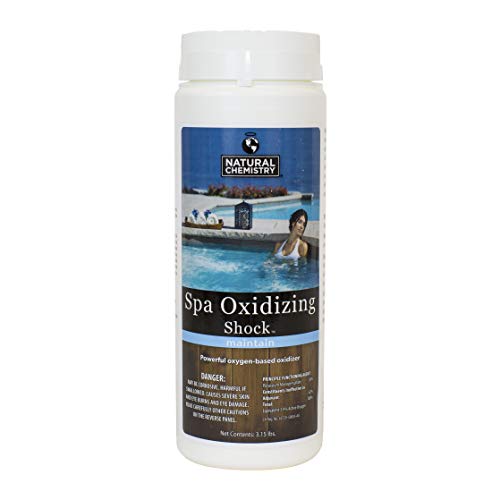
Keep your saltwater hot tub crystal clear with Natural Chemistry Spa Oxidizing Shock, a powerful oxygen-based oxidizer that eliminates contaminants without adding chlorine. This quick-dissolving powder purifies your spa water in minutes, restoring clarity and freshness. Gentle on all spa surfaces, it’s perfect for maintaining a clean, comfortable soak while extending the life of your spa components. Compatible with both chlorine and bromine systems, it’s a trusted solution for spa owners who want simple, effective, and safe water care.
When maintaining a saltwater hot tub, the Natural Chemistry Spa Oxidizing Shock stands out as a reliable, non-chlorine option. Its oxygen-based formula works quickly to eliminate impurities while being gentle on your spa’s surfaces and saltwater system. This fast-acting oxidizer restores water clarity and freshness in minutes, allowing you to enjoy a clean, soothing soak without harsh chemical odors.
- Powerful Cleaning: Rapidly removes organic contaminants and buildup for sparkling clear water.
- Gentle Formula: Oxygen-based treatment protects spa surfaces and is safe for saltwater systems.
- Fast Results: Quick-dissolving action lets you enjoy your hot tub again in as little as 15 minutes.
- Frequent Use Needed: Regular treatments may be required for heavily used spas.
- Powder Form: Can be slightly messy if not handled carefully.
- Higher Price: Costs more than some basic chlorine shocks.
Understanding the Saltwater Hot Tub Revolution
The journey into saltwater hot tub ownership often begins with frustration. Maybe it’s the constant trips to the pool store with water samples, trying to decipher what’s causing that cloudy water. Perhaps it’s the skin irritation that makes soaking less enjoyable than it should be, or the nagging worry about storing containers of harsh chemicals near children or pets.
Traditional hot tub maintenance can feel like a part-time chemistry job. You’re constantly adding chlorine, testing pH levels, shocking the water, and fighting an endless battle against algae and bacteria. One week everything seems perfect, and the next, the water’s turned cloudy for reasons you can’t quite pinpoint. It’s exhausting, and it can turn what should be a relaxing retreat into a source of stress.
What Exactly Is a Saltwater Hot Tub?
Here’s where some confusion often arises. A saltwater hot tub doesn’t mean you’re soaking in ocean water. The salt concentration is actually much lower—about one-tenth the salinity of seawater. You won’t taste it, and you certainly won’t feel like you’re floating in the Dead Sea.
Instead, a saltwater system uses a process called electrolysis to convert dissolved salt (sodium chloride) into chlorine. A salt cell or chlorine generator passes an electrical current through the salt water, breaking it down into hypochlorous acid and sodium hypochlorite—the same sanitizing compounds found in traditional chlorine, just produced in a gentler, more consistent way.
The beauty of this system lies in its self-sufficiency. The chlorine that’s produced sanitizes the water, then converts back into salt, creating a continuous cycle. You’re not constantly pouring in chemicals; the system maintains itself with minimal intervention.
The Emotional Journey: Why People Make the Switch
The Breaking Point
For many hot tub owners, there’s a moment that triggers the decision to explore alternatives. Maybe it’s developing a persistent rash after every soak, or watching a child come out of the hot tub with red, stinging eyes. Perhaps it’s the realization that you’re spending more time maintaining the hot tub than actually enjoying it.
One common story involves the shock of seeing just how many chemical containers have accumulated in the garage—chlorine tablets, pH increasers, pH decreasers, shock treatments, clarifiers, algaecides. Each bottle represents another step in an increasingly complicated maintenance routine, another potential hazard, another expense.
The emotional toll of constant vigilance weighs heavy. You start to dread checking the water chemistry because you know it’ll mean another trip to the store, another round of adjustments, another waiting period before you can actually use your hot tub. What was supposed to be a source of relaxation becomes another chore on an already full plate.
The Discovery Phase
Exploring saltwater systems can feel like stumbling upon a hidden door in a familiar space — part excitement, part skepticism. Is it really that simple? And if it is, why hasn’t everyone switched already?
Soon, the research takes over. Late nights are spent scrolling through forums, watching setup videos, and crunching long-term savings on the back of an envelope. The higher upfront cost looms, but so does the promise of effortless maintenance. You start picturing that silky, gentle water — the kind that makes you linger instead of rushing to rinse off.
Still, hesitation lingers. What if the system fails? Could salt damage the hot tub’s parts? Maybe it’s not as easy as people claim. These doubts are part of the process — natural steps on the path to confidence and clarity.
The Transformation: Life with a Saltwater Hot Tub
The First Soak
The moment you first sink into properly balanced saltwater is often described as revelatory. The water feels silkier, almost velvety against your skin. There’s no chemical smell—just clean, fresh water. Your eyes don’t sting. Your skin doesn’t feel tight or dried out afterward.
People often report that they finally understand what they’d been missing. This is what a hot tub experience should feel like—pure relaxation without the harsh chemical side effects. Some describe feeling like they can breathe easier, literally, without chlorine fumes irritating their respiratory system.
The emotional relief extends beyond the physical sensations. There’s a sense of accomplishment in having made a positive change, in having taken control of a situation that had become frustrating. You’re not just soaking in water; you’re soaking in the satisfaction of a problem solved.
The Maintenance Reality Check
Here’s where expectations meet reality. Yes, saltwater systems are lower maintenance than traditional setups, but they’re not zero maintenance. This is an important truth that prevents future disappointment.
You’ll still need to test the water regularly—weekly or bi-weekly rather than daily. You’ll still need to monitor pH levels, alkalinity, and calcium hardness. The difference is in the frequency and intensity of interventions required.
The salt cell needs periodic cleaning to prevent calcium buildup. Depending on your water’s mineral content and how often you use the hot tub, this might be monthly or quarterly. The process is straightforward—usually involving removing the cell and soaking it in a diluted acid solution—but it’s still a task that needs doing.
Some people feel frustrated when they realize it’s not quite the “set it and forget it” system they’d imagined. This disappointment is valid, but it’s important to reframe expectations. Lower maintenance isn’t the same as no maintenance. What you’re getting is a more manageable routine, not a completely hands-off experience.
Overcoming Initial Obstacles
The conversion process itself can be challenging. Installing a salt chlorine generator often requires some technical knowledge, and not all hot tubs are compatible with saltwater systems right out of the box. Some manufacturers void warranties if you convert to salt, which is a significant consideration.
There’s also the learning curve of understanding how salt levels affect chlorine production. Unlike dumping in a cup of granular chlorine and seeing immediate results, saltwater systems require patience. It takes time for the system to reach equilibrium, and adjusting salt levels isn’t something you do on a whim.
Early mistakes are common and frustrating. Maybe you added too much salt initially, or you didn’t account for your water’s high calcium content, leading to scaling on the cell. Perhaps you underestimated how much more frequently you’d need to clean the cell in hard water areas. These setbacks can make you question your decision.
But here’s what experienced saltwater hot tub owners know: every obstacle is a learning opportunity. Each challenge you overcome builds your confidence and understanding of the system. The initial frustration gives way to competence, and eventually, to genuine mastery.
Common Challenges and How to Address Them
Managing Salt Levels
Finding the sweet spot for salt concentration is crucial. Too little salt, and the chlorine generator can’t produce enough sanitizer. Too much, and you risk corrosion of metal components and an overly salty taste.
The recommended range is typically between 2,500 and 4,000 parts per million (ppm), but this varies by manufacturer. Testing is simple with salt-specific test strips or a digital meter. The challenge comes when levels drift out of range.
Raising salt levels is straightforward—just add more salt. But lowering them requires partially draining and refilling the hot tub, which is time-consuming and wasteful. This is why it’s crucial to add salt gradually when first setting up your system, testing frequently until you reach the optimal level.
Dealing with Hard Water Issues
If you live in an area with hard water—water high in calcium and magnesium—you’ll face additional challenges. These minerals cause scaling on the salt cell, reducing its efficiency and potentially shortening its lifespan.
Regular cell cleaning becomes even more important. Some people find they need to clean their cells monthly rather than quarterly. Using a calcium reducer or maintaining slightly lower pH levels can help, but it’s a balancing act.
The frustration of repeatedly dealing with scale buildup is real. Some owners in particularly hard water areas eventually invest in water softening systems for their hot tub fill water, which adds to the overall cost but dramatically reduces maintenance headaches.
Balancing pH in Saltwater Systems
Saltwater systems tend to push pH levels higher, which seems counterintuitive to those used to traditional chlorine’s pH-lowering effect. This happens because the electrolysis process increases pH over time.
You’ll find yourself adding pH decreaser (usually muriatic acid or sodium bisulfate) more frequently than with traditional systems. This can feel like trading one chemical dependency for another, which is disappointing if you were hoping to eliminate chemicals entirely.
The key is accepting that saltwater systems reduce chemical usage but don’t eliminate it completely. You’re still managing water chemistry; it’s just a simpler equation with fewer variables.
Winterization and Seasonal Concerns
In colder climates, winterizing a saltwater hot tub requires extra steps. Salt can be corrosive if water isn’t properly drained from the system, and the salt cell needs to be removed and stored indoors to prevent damage from freezing temperatures.
Some people struggle with the decision of whether to drain the salt water completely or leave it in. Draining means having to rebalance everything when you refill in spring, including adding new salt. Leaving it in risks freeze damage if you don’t maintain proper antifreeze protection.
This seasonal maintenance challenge is one area where saltwater systems aren’t necessarily easier than traditional ones. It requires planning and careful execution, which can be daunting for new owners.
The Broader Impact on Lifestyle and Wellbeing
Physical Health Benefits
Beyond the obvious comfort of softer water, many people report genuine health improvements after switching to saltwater. Those with sensitive skin conditions like eczema or psoriasis often find their symptoms less aggravated after soaking. The reduced chemical exposure means fewer respiratory irritations for people with asthma.
The magnesium naturally present in many salt blends (particularly if you use certain mineral salts) can provide additional relaxation benefits. While the concentrations aren’t as high as in ocean water, some users swear by the enhanced muscle relaxation they experience.
Athletes and people with chronic pain often become devoted saltwater hot tub enthusiasts. The combination of heat therapy and mineral-rich water creates an effective recovery tool that feels more natural than soaking in chlorinated water.
Mental and Emotional Wellbeing
There’s something psychologically soothing about knowing you’re soaking in a more natural system. The reduced chemical smell alone makes the hot tub feel like a genuine retreat rather than a public pool substitute.
Many people report using their hot tubs more frequently after converting to salt. When the maintenance burden decreases, the appeal increases. What was once a special occasion becomes a regular evening ritual. This increased usage translates to more relaxation, better stress management, and improved sleep quality.
The confidence that comes from mastering your system also contributes to wellbeing. You’re not at the mercy of mysterious water chemistry fluctuations. You understand what’s happening and how to fix it. This sense of control extends to other areas of life, building general problem-solving confidence.
Social and Relationship Benefits
Hot tubs naturally become gathering places, but chemical concerns often held people back from inviting others over. Worrying about whether guests with sensitive skin would be comfortable, or whether the chlorine smell would be off-putting, created hesitation.
Saltwater systems remove many of these concerns. You can confidently invite friends and family over, knowing the water will be gentle and pleasant. Children can soak longer without irritation. Guests often comment on how much better the water feels, which validates your investment and builds connection through shared positive experience.
For couples, the hot tub becomes a more appealing date night destination. Without harsh chemicals irritating skin and eyes, soaking together becomes purely about relaxation and connection rather than enduring discomfort for the sake of the experience.
Practical Advice for Every Stage of Your Journey
For Those Considering the Switch
Start by honestly assessing your current situation. How much time are you spending on hot tub maintenance? How much are you spending on chemicals monthly? Are you actually using your hot tub as much as you’d like, or is the maintenance burden keeping you out of the water?
Research your specific hot tub model’s compatibility with saltwater systems. Contact the manufacturer directly if needed. Understand whether conversion will void your warranty and decide if that’s acceptable.
Budget realistically for the initial investment. A quality salt chlorine generator typically costs between $300 and $800, plus installation if you’re not comfortable doing it yourself. Factor in the cost of salt (which is inexpensive—usually under $20 for a 40-pound bag that lasts months) and any other supplies you’ll need.
Consider starting with a professional consultation. Many pool and spa service companies now offer saltwater system assessments. The cost of an expert’s advice can save you from expensive mistakes during conversion.
For New Saltwater Hot Tub Owners
Be patient during the initial setup phase. It can take several days for the system to stabilize and produce consistent chlorine levels. Don’t panic if readings are off in the first week—this is normal.
Invest in quality testing equipment from the start. A good digital test kit for salt levels, pH, and alkalinity will pay for itself in peace of mind and accurate readings. Cheap test strips can give inconsistent results that lead to overcorrection.
Keep a simple maintenance log. Note when you add salt, clean the cell, adjust pH, or make any other changes. This record becomes invaluable for identifying patterns and troubleshooting problems. You’ll be able to see at a glance when you last performed maintenance tasks.
Join online communities of saltwater hot tub owners. Forums and social media groups are goldmines of practical advice from people who’ve faced the same challenges you’re encountering. Don’t be shy about asking questions—everyone was new once.
For Experienced Owners
Share your knowledge generously. Remember how overwhelming it felt when you were starting out, and help newcomers avoid the mistakes you made. This builds community and validates your own expertise.
Stay current with new technology and products. The saltwater hot tub industry is evolving, with newer, more efficient chlorine generators and better salt formulations appearing regularly. You don’t need to upgrade constantly, but knowing what’s available helps you make informed decisions when replacements are needed.
Experiment with optimization. Once you’ve mastered the basics, you can fine-tune your system for minimal intervention. Some experienced owners can go weeks with just a quick weekly test and minor adjustments. This level of efficiency comes from deep understanding of your specific system and water conditions.
Consider mentoring others in your area. Local hot tub groups often appreciate members willing to share real-world experience. Teaching others reinforces your own knowledge and creates meaningful connections with fellow enthusiasts.
Different Approaches for Different Situations
Small Hot Tubs and Inflatable Spas
Owners of smaller systems (under 300 gallons) face unique challenges. Some salt chlorine generators are oversized for small volumes, leading to over-chlorination. Look for systems specifically designed for smaller spas or those with adjustable output settings.
The good news is that small volumes are easier to manage overall. Changes happen faster, which can be good or bad. Adjustments take effect quickly, but problems also develop rapidly if you’re not paying attention.
Inflatable hot tub owners sometimes worry about whether their vinyl will hold up to salt. Quality inflatable models handle saltwater fine, but it’s crucial to verify compatibility with your specific brand. Some manufacturers explicitly support saltwater conversion, while others don’t recommend it.
Large Hot Tubs and Swim Spas
Larger systems (500+ gallons) require more robust salt chlorine generators and careful attention to circulation. The water volume means changes happen more slowly, which provides stability but also means correcting problems takes longer.
Multiple jets and features can create circulation challenges that affect chlorine distribution. You might need to run your pumps longer to ensure even sanitizer distribution throughout the system. This increases energy costs, something to factor into your overall expense calculations.
Some large hot tub owners opt for multiple salt cells or hybrid systems that combine saltwater generation with occasional manual chlorine additions during heavy use periods. This flexibility prevents any single component from becoming overworked.
Indoor vs. Outdoor Hot Tubs
Indoor hot tubs with saltwater systems require special ventilation considerations. While saltwater produces fewer chloramines (the compounds responsible for that strong chlorine smell), some off-gassing still occurs. Proper ventilation prevents moisture and salt accumulation that could damage indoor spaces.
Outdoor hot tubs face different challenges—weather exposure, temperature fluctuations, and debris contamination. Covers become even more important for outdoor saltwater systems to prevent rainwater dilution of salt levels and to protect the salt cell from environmental damage.
Geographic location matters significantly. Those in coastal areas with salty air may find salt-related corrosion issues develop faster. Desert dwellers deal with evaporation that concentrates salt levels. Northern climates face freeze protection challenges. Your maintenance routine should account for your specific environmental conditions.
Budget-Conscious Approaches
Not everyone can afford a top-of-the-line salt system, and that’s okay. Budget-friendly generators exist that work perfectly well for most applications. The key is matching the system to your needs rather than over-buying features you won’t use.
DIY installation saves hundreds of dollars if you’re moderately handy. Most systems come with clear instructions, and countless online tutorials walk through the process step-by-step. The electrical connection is usually the most daunting part, but even that is manageable with basic knowledge and proper safety precautions.
Buying salt in bulk reduces costs significantly. Pool supply stores often sell 50-pound bags at better prices than smaller quantities, and salt doesn’t go bad. Stock up when you find good deals.
Consider converting gradually. You don’t have to install the most expensive system immediately. Start with a mid-range option and upgrade components as needed and as budget allows. This staged approach spreads costs over time and lets you learn what features you actually value.
Celebrating Progress and Small Wins
Recognizing Milestones
The first time you test your water and everything is perfectly balanced—that’s a victory worth celebrating. It might seem small, but it represents mastery of your system. Take a moment to appreciate that you’ve created the ideal soaking environment through your own knowledge and effort.
When an entire month passes without a single water chemistry issue, it’s a quiet victory. Hearing guests rave about how soft and refreshing the water feels becomes the best kind of compliment. And when you finally total up your annual chemical costs and see real savings, that’s success you can measure — proof that the switch was worth it.
These small victories accumulate into a transformed hot tub experience. Don’t let them pass unnoticed. Maybe you take a celebratory soak, or you share your success with your online hot tub community. Acknowledging progress motivates continued effort and reminds you why you made the switch in the first place.
Learning from Setbacks
Not every moment will be perfect. There will be times when the cell needs replacing earlier than expected, or when you miscalculate and have to drain half your hot tub to correct salt levels. These frustrations are part of the journey, not failures.
Each problem you solve builds your troubleshooting skills. That time you figured out why chlorine production suddenly dropped (calcium buildup on the cell, needed cleaning) taught you to recognize warning signs earlier. The expensive lesson about adding salt too quickly made you more careful and methodical in future adjustments.
Experienced saltwater hot tub owners often say their mistakes were their best teachers. The fear of making errors can be paralyzing, but each misstep that you recover from proves you’re capable of handling whatever challenges arise.
The Ongoing Journey
Continuous Learning and Adaptation
Even years into saltwater hot tub ownership, there’s always something new to learn. Water chemistry isn’t static—seasonal changes, usage patterns, and even aging equipment affect how your system behaves. Staying curious and observant keeps you ahead of potential problems.
Your needs may change over time too. Perhaps you’re using the hot tub more frequently now and need to adjust your maintenance schedule. Maybe you’ve discovered that slightly different pH targets work better for your skin. Flexibility and willingness to adapt your approach lead to better long-term satisfaction.
Technology improves constantly. Newer salt cells last longer and resist scaling better. Smart monitoring systems can now test and adjust water chemistry automatically. Staying aware of innovations helps you decide when upgrades make sense versus when your current system is serving you well.
Future Aspirations
Many saltwater hot tub owners dream of eventually upgrading to even more sophisticated systems—perhaps adding mineral cartridges that complement the salt system, or installing UV sanitizers that reduce the chlorine load further. These aspirations give you something to work toward and keep the journey exciting.
Some envision creating complete backyard spa environments where the saltwater hot tub is just one element in a holistic wellness space. Others focus on perfecting their current setup, becoming so efficient at maintenance that it becomes almost effortless.
Whatever your goals, they represent the evolution of your relationship with your hot tub. This isn’t a destination you reach and then stop growing. It’s an ongoing process of refinement, learning, and deepening appreciation for the experience you’ve created.
Finding Your Community
Connecting with Fellow Enthusiasts
The saltwater hot tub community is welcoming and generous with knowledge. Online forums dedicated to hot tub maintenance often have specific sections for saltwater system discussions. These spaces provide troubleshooting help, product recommendations, and moral support during frustrating moments.
Social media groups connect you with people facing similar challenges in your geographic area. Local water conditions create shared experiences—everyone in your region might struggle with the same high calcium content or seasonal temperature swings. These connections provide relevant, practical advice you won’t find in generic manuals.
Some people organize local hot tub maintenance meetups where owners share tips, demo products, and even bulk-purchase supplies together for better pricing. These in-person connections transform a solitary hobby into a social activity and create lasting friendships with people who share your interests.
Contributing Your Experience
As you gain confidence and knowledge, consider giving back to the community that helped you learn. Answer questions in forums when you can. Share your maintenance routine if someone asks. Review products you’ve tried to help others make informed decisions.
Your unique perspective and experiences are valuable, even if you don’t consider yourself an expert. Someone somewhere is facing the exact problem you solved last month, and your insight could save them days of frustration. This reciprocal sharing strengthens the entire community and creates a culture of mutual support.
Addressing Doubts and Skepticism
“Is It Really Worth the Investment?”
This question deserves a thoughtful, honest answer. For some people, absolutely yes—the improved water quality, reduced maintenance burden, and health benefits justify every penny spent. For others, particularly those who rarely use their hot tubs or who don’t mind traditional maintenance routines, the investment might not make sense.
Consider your priorities and pain points. If you’re spending $50-100 monthly on chlorine and other chemicals, a salt system pays for itself in 6-12 months through reduced chemical costs alone. If your primary motivation is softer water and reduced skin irritation, the value isn’t as easily quantified but might be even more important to you personally.
The truth is that saltwater systems aren’t universally superior—they’re differently superior. They solve specific problems exceptionally well while introducing their own quirks and considerations. Whether it’s “worth it” depends entirely on what you value and what challenges you’re trying to solve.
“What If Technology Changes?”
Some people worry about investing in a salt system only to have some revolutionary new technology make it obsolete. This fear is understandable but somewhat misplaced. Salt chlorination has been proven effective for decades. While improvements continue, the fundamental technology is mature and reliable.
Even if something better comes along, your investment isn’t wasted. You’ll have enjoyed years of improved water quality and reduced maintenance. Technology always marches forward—if we waited for the “perfect” solution, we’d never upgrade anything.
The more practical concern is whether your specific brand or model will continue to be supported. Stick with established manufacturers who’ve been in the business for years. Check whether replacement parts are readily available. These practical considerations matter more than worrying about theoretical future innovations.
“Can I Really Handle the Maintenance?”
Self-doubt about technical ability holds many people back from making changes that would improve their lives. The truth is that if you can follow a recipe or assemble furniture from instructions, you can maintain a saltwater hot tub.
The learning curve exists, but it’s not steep. Most people feel comfortable with their system within a month. The key is accepting that you’ll make mistakes initially and that’s okay. Every long-time saltwater hot tub owner started as a confused beginner.
Resources are abundant—manufacturer support lines, YouTube tutorials, online forums, and local spa professionals all exist to help you succeed. You’re not alone in this journey, and help is always available when you need it.
Cultural and Individual Perspectives
Different Approaches to Hot Tub Culture
Hot tub usage and attitudes vary widely. In some cultures, communal bathing and spa culture are deeply ingrained traditions. In others, hot tubs are viewed as luxury items rather than wellness tools. Understanding that there’s no single “right” way to approach hot tub ownership creates space for your personal preferences.
Some people view their hot tub as a meditation space—a place for quiet reflection and solitude. Others see it as a social hub where friends and family gather. Your approach influences your maintenance priorities and usage patterns. A heavily used social hot tub requires more frequent attention than one used primarily for solo evening soaks.
Cultural attitudes toward chemicals and “natural” living also influence how people approach saltwater systems. Those who prioritize reducing chemical exposure often embrace saltwater enthusiastically. Others who are less concerned about chemicals might not find the conversion compelling. Both perspectives are valid.
Adapting Systems to Individual Needs
One size doesn’t fit all in hot tub maintenance. Someone with multiple chemical sensitivities will benefit enormously from a saltwater system’s reduced chemical load. An elderly person might appreciate the softer water’s gentleness on aging skin. Parents of young children value the reduced exposure to harsh chemicals.
On the flip side, someone who travels frequently might prefer traditional chlorine’s simplicity—you can have a neighbor toss in some chlorine tablets periodically, whereas saltwater systems need more nuanced monitoring. Weekend warriors who use their hot tubs intensively might need hybrid approaches that supplement saltwater generation with occasional traditional chlorine.
The most successful hot tub owners are those who adapt systems to their lifestyles rather than forcing their lives to accommodate rigid maintenance schedules. Flexibility and personalization create sustainable routines that last years rather than starting strong and fizzling out.
Environmental Considerations
Reducing Chemical Impact
One of the most compelling arguments for saltwater systems is environmental. Traditional chlorine production and transport create significant carbon footprints. Chlorine manufacturing facilities generate toxic byproducts. Shipping heavy chlorine containers nationwide consumes fossil fuels.
By generating chlorine on-site from simple salt, you’re eliminating this supply chain impact. The salt itself is a natural mineral with minimal environmental processing required. A 40-pound bag of salt has a fraction of the environmental footprint of an equivalent year’s worth of chlorine tablets.
Chemical runoff when draining hot tubs is another concern. High-chlorine water can damage septic systems and harm local ecosystems if it enters waterways. Saltwater, properly dechlorinated before draining, is much less harmful. Many municipalities prefer saltwater drainage over traditional chemical water.
Energy Efficiency Considerations
Salt chlorine generators do use electricity to produce chlorine. In regions where electricity is generated primarily from fossil fuels, this adds to your carbon footprint. However, the energy usage is relatively modest—typically comparable to running a few LED bulbs continuously.
Some owners offset this by using solar power or ensuring their home electricity comes from renewable sources. Others simply accept the tradeoff, reasoning that the reduced chemical impact outweighs the electrical usage.
Modern salt systems are increasingly energy-efficient, with smart controls that optimize chlorine production to minimize unnecessary operation. Choosing energy-efficient models and running them during off-peak hours (where time-of-use electricity rates apply) can reduce both costs and environmental impact.
Water Conservation
Both traditional and saltwater systems require periodic water changes to manage dissolved solids buildup. However, saltwater systems often allow longer intervals between full drains and refills because of better water quality maintenance. This conserves significant water over years of ownership.
The improved water quality also means less partial draining to correct chemical imbalances. With traditional systems, sometimes the only fix for badly imbalanced water is to drain part of it and start over. Saltwater systems’ more stable chemistry reduces these wasteful corrections.
In drought-prone regions, water conservation matters enormously. The ability to maintain crystal-clear water while minimizing water changes aligns with broader environmental responsibility and can ease guilt about maintaining a hot tub during water restrictions.
Making the Decision: Is Saltwater Right for You?
Assessing Your Situation
Take inventory of your current hot tub experience honestly. What’s working well? What frustrates you? How much time do you spend on maintenance weekly? How much do you spend on chemicals monthly? How often do you actually use your hot tub?
If you’re using your hot tub regularly and enjoying it despite maintenance headaches, saltwater might enhance an already positive experience. If you’re barely using your hot tub because maintenance feels overwhelming, a saltwater system could reignite your enthusiasm and usage.
Consider your budget not just for initial conversion but for ongoing expenses. While chemical costs decrease, you’ll have occasional replacement costs for salt cells (typically every 3-5 years at $150-300). Factor in any needed upgrades to make your hot tub saltwater-compatible.
Timing Your Conversion
There’s no perfect time to convert to saltwater, but some moments make more sense than others. When you’re already draining your hot tub for seasonal maintenance or other reasons is ideal—you’re already resetting the system, so adding salt and installing a generator fits naturally.
Major component replacement times also make sense. If you’re already upgrading your circulation system or replacing aging equipment, adding a salt system as part of comprehensive updates spreads the disruption and cost across multiple improvements.
Avoid converting during times of high hot tub usage (like parties or holiday gatherings) since you’ll need several days for the system to stabilize. Plan for a period when you can afford to have the hot tub offline if troubleshooting takes longer than expected.
Alternative Approaches to Consider
Saltwater isn’t the only option for reducing chemical intensity. Some people find success with mineral cartridge systems, ozone generators, or UV sanitizers. These alternatives also reduce chlorine needs, though through different mechanisms.
Hybrid approaches combining multiple methods often work exceptionally well. A salt system supplemented with a mineral cartridge, for example, might let you run lower chlorine levels while still maintaining perfect sanitation. This layered approach provides redundancy and optimization.
Research all options thoroughly before committing. What works brilliantly for one person might be less ideal for your specific situation. The goal is finding the system that aligns with your priorities, budget, and maintenance preferences.
Your Path Forward
The journey to creating your ideal hot tub experience is deeply personal. Whether you choose to embrace saltwater systems fully, supplement them with other technologies, or even decide that traditional maintenance works better for you, the important thing is making an informed choice that serves your needs.
For those who do convert to saltwater, remember that the transition period requires patience. Give yourself grace as you learn the system. Celebrate small victories—balanced water, compliments from guests, successfully cleaning the cell for the first time. These moments of mastery build confidence and competence.
Stay connected with the broader hot tub community. Share your experiences, both successes and struggles. Your story might inspire someone else who’s on the fence about making changes. The collective wisdom of enthusiasts who’ve walked this path before you is an invaluable resource.
Most importantly, remember why you have a hot tub in the first place. It’s supposed to enhance your life, provide relaxation, support your health, and create opportunities for connection. Whether maintained with salt or traditional chemicals, a hot tub that delivers these benefits is a success.
Conclusion
The world of saltwater hot tubs offers a refreshing alternative to traditional chlorine systems. It’s not a perfect solution, but it does provide a new balance — softer water, fewer chemicals, and a gentler soaking experience in exchange for a higher upfront cost and a bit of learning.
For those dealing with chemical sensitivities or the endless cycle of water maintenance, saltwater systems can be transformative. The smooth, silky feel of the water, the lack of harsh odors, and the satisfaction of managing a cleaner, more natural system all enhance the joy of hot tub ownership.
Still, it’s important to have realistic expectations. Saltwater systems aren’t maintenance-free — they just make upkeep easier. Like any worthwhile upgrade, there’s a learning curve, occasional troubleshooting, and a sense of progress that comes with time and experience.
This shift from frustration to confidence mirrors many personal journeys: initial excitement, small challenges, steady growth, and finally, mastery. Every milestone — from crystal-clear water to fewer chemical headaches — brings a deeper understanding of what it takes to care for your spa.
Whether you’re exploring saltwater options or already soaking in one, remember that your setup should serve you, not the other way around. The best hot tub is the one that keeps you coming back — relaxed, recharged, and happy.
Frequently Asked Questions
1. How much does it cost to convert a regular hot tub to saltwater?
The initial conversion typically costs between $300-$800 for a quality salt chlorine generator, plus $20-$40 for the salt itself. Installation can be done as a DIY project or professionally installed for an additional $200-$400. While the upfront investment is significant, most owners recoup costs within 1-2 years through reduced chemical purchases. Monthly salt costs are minimal—usually under $10—compared to $50-$100 for traditional chlorine and balancing chemicals. Additional factors include whether your hot tub needs any equipment upgrades to be saltwater-compatible, which could add to initial costs.
2. Does a saltwater hot tub feel like ocean water?
No, saltwater hot tubs have much lower salt concentration than ocean water. Typical saltwater hot tubs maintain salt levels around 2,500-4,000 parts per million (ppm), while ocean water contains approximately 35,000 ppm. You won’t taste the salt or experience the buoyancy associated with seawater. Instead, the water feels softer and silkier than traditional chlorinated water, similar to naturally soft water. The salt is present primarily to generate chlorine through electrolysis rather than to create a salty bathing experience.
3. How often do you need to add salt to a saltwater hot tub?
Under normal circumstances, you’ll rarely need to add salt once the system is initially balanced. Salt doesn’t evaporate or get consumed—it remains in the water through the chlorine generation cycle. You’ll only need to add salt when: you drain and refill the hot tub (typically 3-4 times yearly), after heavy splash-out during use, or following significant dilution from rain (for outdoor tubs without covers). Most owners add small amounts of salt just a few times per year. Regular testing ensures levels stay within the optimal range of 2,500-4,000 ppm.
4. Can saltwater damage my hot tub components?
Modern hot tubs designed or approved for saltwater use handle salt without issues. However, older hot tubs or those with certain metal components may experience accelerated corrosion. Before converting, verify with your manufacturer that your model is saltwater-compatible. Key concerns include: heater elements (stainless steel heaters fare best), metal jets or fixtures (which may corrode faster), and certain types of plumbing. Many manufacturers now use saltwater-resistant materials in newer models. If your hot tub wasn’t designed for saltwater, you may need to replace certain components or accept shorter lifespans for metal parts. Proper water balance—especially maintaining correct pH and calcium hardness—significantly reduces corrosion risk.
5. Is saltwater or chlorine better for sensitive skin?
Saltwater systems are generally better for sensitive skin because they produce chlorine continuously in smaller, more consistent amounts rather than the spikes created by adding traditional chlorine. The lower concentration of chloramines (the compounds responsible for skin irritation and that “chlorine smell”) makes saltwater gentler on skin, eyes, and respiratory systems. Many people with eczema, psoriasis, or chemical sensitivities report significant improvement after switching to saltwater. The softer water quality also means less dryness and tightness after soaking. However, those with extremely sensitive skin should still test their tolerance, as the water still contains chlorine as the sanitizer—just produced more gently and naturally than traditional methods.