Sauna and Cold Plunge Benefits
*We may earn a commission for purchases made using our links. Please see our disclosure to learn more.
The ancient practice of alternating between intense heat and cold has experienced a remarkable resurgence in modern wellness culture. Sauna and cold plunge therapy, also known as contrast therapy, combines the therapeutic benefits of heat exposure with the invigorating effects of cold immersion. This powerful combination has been utilized across cultures for centuries, from Scandinavian traditions to Russian banyas, and is now gaining scientific validation for its numerous health benefits.
“The combination of heat and cold exposure represents one of the most powerful natural tools for optimizing human physiology, triggering cascading effects on inflammation, circulation, and cellular resilience that few other interventions can match.”
– Journal of Sports Medicine and Physical Fitness
Key Takeaways
- Contrast therapy combining sauna and cold plunge enhances circulation, reduces inflammation, and supports immune function
- The practice triggers hormetic stress responses that strengthen the body’s adaptive mechanisms
- Sessions typically alternate between 10-20 minutes of heat exposure and 1-3 minutes of cold immersion
- Regular practice may improve cardiovascular health, mental clarity, recovery time, and overall resilience
- Proper hydration and gradual progression are essential for safe and effective practice
- Individuals with certain medical conditions should consult healthcare providers before beginning contrast therapy
Recommended Sauna and Cold Plunge Products
X-Vcak Upgraded Sauna Box
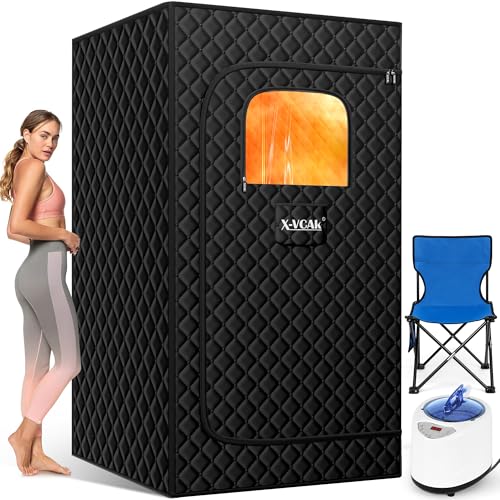


Upgrade your wellness routine with the X-Vcak Upgraded Sauna Box, the perfect addition to any sauna and cold plunge setup at home. Designed for relaxation, detoxification, and effective heat therapy, this portable sauna offers quick steam generation with its high-power steamer and 9 adjustable levels. The spacious 2.6’ x 2.6’ x 5.9’ design comfortably fits adults of all sizes, allowing you to sit or stand during your session.
If you’re building a sauna and cold plunge setup at home, the X-Vcak Upgraded Sauna Box is one of the most convenient options on the market. This portable steam sauna is designed for deep relaxation, detoxification, improved circulation, and stress relief—making it a strong complement to cold therapy.
- Comfort & Space: Oversized interior lets adults sit or stand comfortably for a relaxing sauna and cold plunge prep.
- Fast Steam Setup: High-power steamer heats quickly with 9 adjustable levels for customizable sessions.
- Portable Design: Lightweight, foldable build allows easy movement and storage anywhere in the home.
- Limited Height Range: Very tall users may find the 5.9’ height slightly restrictive.
- Chair Comfort: Included folding chair is basic; some users may prefer upgrading to a sturdier seat.
- Steam Cleanup: Interior can accumulate moisture and needs regular drying after each use.
The Cold Pod Insulated Cold Plunge Tub Bundle
For anyone building a recovery setup that includes both a sauna and cold plunge, The Cold Pod Insulated Cold Plunge Tub Bundle stands out as one of the most convenient and reliable options on the market. Designed for athletes and health-focused users, this 85-gallon cold tub provides ample space for full-body immersion while staying compact enough for home use.
Bubplay XL Ice Bath Tub



Upgrade your sauna and cold plunge recovery setup with the Bubplay XL Ice Bath Tub, a 105-gallon insulated cold plunge barrel designed for athletes and adults. Built with 8 stainless steel support bars, this tub is more stable and durable than standard models, preventing tipping and ensuring long-term performance.
When building an affordable sauna and cold plunge setup at home, the Bubplay XL Ice Bath Tub is one of the best budget-friendly options available. This 105-gallon barrel is designed with athletes in mind, offering deep immersion for faster recovery, reduced inflammation, and improved mental resilience. Its upgraded construction includes 8 stainless steel support bars, giving it superior stability compared to standard ice tubs that typically use weaker plastic bars.
- Superior Stability: 8 stainless steel support bars offer stronger structure than typical plastic-bar ice tubs.
- Multi-Purpose Use: Can be used for cold plunging or filled with warm water for heat therapy after sauna sessions.
- Spacious Capacity: 105 gallons fits users up to 6'7", ideal for deep, full-body immersion.
- Material Sensitivity: Prolonged sun exposure may age the materials faster.
- No Thermal Lid: Lacks a heavy-insulated cover, requiring more ice to keep temperatures very cold.
- Heavier Setup: Stronger support bars make it slightly heavier than inflatable-only models.
ThermoPro TP49 Digital Hygrometer 3-Pack
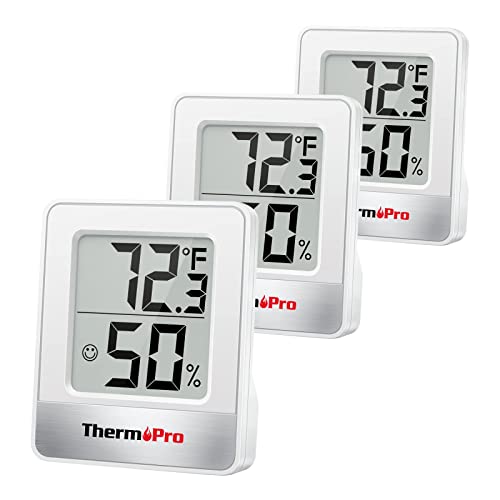


Keep your sauna and cold plunge setup perfectly balanced with the ThermoPro TP49 Digital Hygrometer 3-Pack. These compact indoor thermometers deliver highly accurate temperature and humidity readings with a precision of ±1°F/°C and ±2–3% RH, making them ideal for monitoring changing environments such as sauna rooms, recovery spaces, and cold plunge areas.
Monitoring temperature and humidity is essential when creating an optimal sauna and cold plunge environment, and the ThermoPro TP49 Mini Digital Hygrometer is one of the most practical tools for the job. Sold as a 3-pack, these compact devices allow you to track climate conditions in multiple locations—such as your sauna, your plunge area, and your general indoor living space.
- Highly Accurate Readings: ±1°F and ±2–3% humidity accuracy makes it ideal for sauna rooms and cold plunge monitoring.
- Easy to Read: Large digits and comfort icons provide quick, clear environmental feedback.
- Flexible Placement: Magnetic back, stand, and hanging mount allow use in any recovery or wellness area.
- Not Waterproof: Must be kept outside direct moisture zones in a sauna or near a cold plunge.
- Small Display: Compact size may be too small for users who prefer larger screens.
- Battery-Powered: Requires alkaline batteries, which need occasional replacement.
Understanding Contrast Therapy
Contrast therapy represents a sophisticated approach to wellness that leverages the body’s natural adaptive responses to temperature extremes. The practice involves systematically exposing the body to hot and cold environments, creating a therapeutic oscillation that stimulates various physiological systems. This method works by inducing controlled stress that prompts the body to strengthen its regulatory mechanisms.
The physiological foundation of contrast therapy rests on the concept of hormesis—the principle that mild stressors can trigger beneficial adaptations. When exposed to heat, blood vessels dilate, heart rate increases, and the body initiates cooling mechanisms through perspiration. Conversely, cold exposure causes vasoconstriction, slows metabolic processes temporarily, and activates thermogenic responses. The alternation between these states creates a pumping effect on circulation while simultaneously challenging the body’s homeostatic mechanisms.
The Science Behind Heat Exposure
Sauna bathing elevates core body temperature, triggering a cascade of physiological responses that extend far beyond simple perspiration. Research indicates that regular sauna use may reduce the risk of cardiovascular events, improve endothelial function, and enhance overall cardiovascular health. The heat stress from sauna sessions activates heat shock proteins, molecular chaperones that protect cells from damage and assist in protein folding.
During sauna exposure, heart rate can increase significantly, sometimes reaching 120-150 beats per minute in high-temperature environments. This cardiovascular workout occurs without the mechanical stress on joints and muscles associated with traditional exercise. Blood flow to the skin increases dramatically as the body attempts to dissipate heat, while blood pressure may initially rise before decreasing during prolonged sessions.
The neurological effects of heat exposure include increased production of brain-derived neurotrophic factor (BDNF), a protein crucial for neuronal health and cognitive function. Regular sauna users often report improved mood, reduced anxiety, and enhanced mental clarity. These psychological benefits appear linked to endorphin release and the meditative quality of the sauna environment.
Heat exposure also influences metabolic processes. Studies suggest that regular sauna use may improve insulin sensitivity and support healthy glucose metabolism. The temporary elevation in core temperature appears to mimic some metabolic effects of moderate-intensity exercise, potentially offering metabolic benefits to individuals unable to engage in traditional physical activity.
The Power of Cold Immersion
Cold plunge therapy triggers an equally impressive array of physiological responses. Upon immersion in cold water, the body initiates an immediate survival response. Vasoconstriction redirects blood from extremities to core organs, protecting vital functions. This vascular response creates a natural flushing effect when returning to normal temperatures, potentially enhancing circulation over time.
The nervous system responds dramatically to cold exposure. The shock of cold water activates the sympathetic nervous system, releasing norepinephrine and other catecholamines. These neurotransmitters enhance alertness, focus, and mood while reducing inflammation throughout the body. Regular cold exposure may help regulate the stress response system, building resilience to various stressors.
Cold immersion has powerful anti-inflammatory effects. The cold temperature reduces metabolic activity in tissues, decreasing inflammation and potentially alleviating muscle soreness. Athletes have long utilized ice baths for recovery, and research supports the effectiveness of cold therapy for reducing exercise-induced inflammation and accelerating recovery between training sessions.
The immune system also benefits from cold exposure. Regular cold immersion appears to increase white blood cell count and enhance immune function. Some studies indicate that individuals who practice cold therapy experience fewer sick days and improved resistance to common illnesses. The mechanism may involve hormetic stress responses that strengthen immune surveillance and function.
Combining Heat and Cold: The Synergistic Effect
The true power of contrast therapy emerges from the synergistic relationship between heat and cold exposure. The alternation between temperature extremes creates a vascular workout that surpasses the benefits of either modality alone. This pumping action on blood vessels may improve vascular health and enhance the delivery of nutrients and oxygen throughout the body.
The hormonal responses to contrast therapy are particularly noteworthy. The practice stimulates the release of various beneficial compounds including endorphins, norepinephrine, and growth hormone. These hormonal changes contribute to improved mood, enhanced recovery, and potentially even anti-aging effects at the cellular level.
Mitochondrial function, crucial for energy production and cellular health, appears to benefit from contrast therapy. The temperature stress challenges mitochondria to adapt and become more efficient. This mitochondrial conditioning may translate to improved energy levels, enhanced athletic performance, and better overall metabolic health.
The mental and emotional benefits of contrast therapy extend beyond simple stress relief. The practice requires mental fortitude to overcome the instinctive avoidance of discomfort, building psychological resilience that transfers to other life challenges. Many practitioners report increased confidence, improved stress management, and a greater sense of well-being.
Practical Implementation
Beginning a contrast therapy practice requires careful planning and gradual progression. Newcomers should start conservatively, perhaps with shorter sauna sessions at lower temperatures and brief cold exposures. A typical beginner protocol might involve 10 minutes in a sauna followed by a 30-second cold shower, gradually increasing duration and intensity over weeks or months.
An intermediate protocol often follows a pattern of 15-20 minutes of heat exposure followed by 2-3 minutes of cold immersion, repeated for 2-3 cycles. The exact timing depends on individual tolerance, health status, and goals. Some practitioners prefer longer sauna sessions with shorter cold exposures, while others opt for more balanced durations.
Proper hydration is absolutely critical for safe contrast therapy practice. Heat exposure causes significant fluid loss through perspiration, and dehydration can impair the body’s ability to regulate temperature. Practitioners should drink water before, during, and after sessions, potentially adding electrolytes for longer or more intense practices.
The environment matters significantly for both heat and cold exposure. Saunas should be well-ventilated and maintained at appropriate temperatures, typically between 150-195°F for traditional saunas or 120-140°F for infrared units. Cold plunges should maintain temperatures between 39-59°F, with colder temperatures requiring shorter immersion times.
Safety Considerations and Contraindications
While contrast therapy offers numerous benefits, certain individuals should exercise caution or avoid the practice altogether. People with cardiovascular conditions, uncontrolled high blood pressure, or a history of heart problems should consult medical professionals before beginning contrast therapy. The significant cardiovascular stress from temperature extremes may pose risks for vulnerable individuals.
Pregnant women should generally avoid extreme heat exposure, particularly in the first trimester, due to concerns about elevated core body temperature affecting fetal development. Cold exposure may be less problematic but should still be discussed with a healthcare provider.
Individuals with certain skin conditions, such as severe eczema or psoriasis, may experience exacerbation of symptoms from temperature extremes or frequent water exposure. Those with Raynaud’s disease or other vascular conditions affecting extremities should approach cold immersion cautiously due to already compromised circulation.
Warning signs during contrast therapy include dizziness, nausea, chest pain, excessive fatigue, or mental confusion. These symptoms indicate the need to immediately discontinue the session and allow the body to return to normal temperature gradually. Never push through concerning symptoms in pursuit of longer exposure times.
Optimizing Your Practice
Timing contrast therapy sessions can significantly impact results and safety. Morning sessions may provide energizing effects that enhance focus and productivity throughout the day. Evening sessions might promote relaxation and improved sleep quality, though individual responses vary. Experimenting with timing helps identify personal optimal schedules.
The frequency of practice influences outcomes and adaptation. Some practitioners benefit from daily sessions, while others find 3-4 times weekly sufficient. More frequent exposure accelerates adaptation but requires greater commitment and recovery capacity. Listening to the body’s signals helps determine appropriate frequency.
Nutrition plays a supporting role in contrast therapy effectiveness. Adequate protein intake supports tissue repair and adaptation. Antioxidant-rich foods may help manage oxidative stress from temperature extremes. Some practitioners prefer fasted sessions for potential metabolic benefits, while others perform better with light pre-session nutrition.
Combining contrast therapy with other wellness practices amplifies benefits. Meditation or breathing exercises during sauna sessions enhance relaxation and mental clarity. Post-session stretching or yoga capitalizes on increased tissue pliability from heat exposure. Integrating contrast therapy into a comprehensive wellness routine creates synergistic effects.
Long-Term Benefits and Adaptations
Consistent contrast therapy practice produces remarkable long-term adaptations. Vascular function improves as blood vessels become more responsive to temperature changes. This enhanced vascular health may contribute to reduced cardiovascular disease risk and improved circulation to all tissues.
The body’s stress response systems become better regulated with regular practice. The hypothalamic-pituitary-adrenal axis, which governs stress hormone production, adapts to handle stressors more efficiently. This adaptation translates to improved resilience against both physical and psychological stressors in daily life.
Metabolic improvements accumulate over time. Regular practitioners may experience enhanced insulin sensitivity, improved lipid profiles, and better body composition. The metabolic demands of temperature regulation combined with improved mitochondrial function contribute to these beneficial changes.
Cognitive benefits appear to persist and potentially strengthen with continued practice. Enhanced focus, improved memory, and better mood regulation are commonly reported long-term effects. The neuroprotective effects of heat shock proteins and the cognitive-enhancing properties of cold exposure combine to support brain health.
Conclusion
Sauna and cold plunge therapy represents a powerful, accessible wellness practice with deep historical roots and growing scientific support. The combination of heat and cold exposure triggers beneficial adaptations across multiple physiological systems, from cardiovascular and immune function to metabolic health and cognitive performance. While the practice requires respect for safety considerations and individual limitations, the potential benefits make contrast therapy an attractive addition to comprehensive wellness routines. As research continues to illuminate the mechanisms behind these ancient practices, modern practitioners can confidently embrace the transformative power of temperature extremes while honoring the wisdom of traditional healing practices.
Frequently Asked Questions
How long should each sauna and cold plunge session last?
Beginners should start with 5-10 minutes in the sauna and 30 seconds to 1 minute in cold water, gradually increasing duration as tolerance builds. Experienced practitioners often spend 15-20 minutes in heat and 2-3 minutes in cold water, sometimes completing multiple rounds. Individual tolerance, health status, and specific goals should guide session length rather than arbitrary targets.
What is the ideal temperature for sauna and cold plunge?
Traditional saunas typically operate between 150-195°F, while infrared saunas range from 120-140°F. Cold plunges should maintain temperatures between 39-59°F for optimal benefits. Beginners may start with warmer sauna temperatures and slightly warmer cold water, progressing to more extreme temperatures as adaptation occurs. Temperature preferences vary individually, and effectiveness depends more on consistent practice than achieving specific numbers.
Can contrast therapy help with muscle recovery after workouts?
Research supports cold immersion for reducing inflammation and muscle soreness following intense exercise. The combination of heat and cold may enhance recovery through improved circulation and reduced inflammatory markers. However, timing matters—some evidence suggests that cold exposure immediately after strength training might slightly blunt muscle growth adaptations, so athletes focused on hypertrophy may want to separate cold exposure from resistance training by several hours.
How often should someone practice sauna and cold plunge therapy?
Frequency depends on individual goals, tolerance, and recovery capacity. Studies showing cardiovascular benefits often involve 4-7 sauna sessions weekly. For general wellness, 3-4 contrast therapy sessions per week often provide substantial benefits without overwhelming the body’s adaptive capacity. Rest days allow the body to consolidate adaptations, and excessive frequency may lead to overtraining or burnout.
Are there any risks associated with contrast therapy?
The primary risks involve cardiovascular stress from rapid temperature changes, dehydration from heat exposure, and potential cold shock responses. Individuals with heart conditions, uncontrolled blood pressure, or certain medical conditions should consult healthcare providers before beginning practice. Proper progression, adequate hydration, and attention to warning signs minimize risks. Never practice alone if experiencing health concerns, and always exit gradually from extreme temperatures.