Dry Sauna vs Wet Sauna: The Ultimate Wellness Showdown

*We may earn a commission for purchases made using our links. Please see our disclosure to learn more.
The gentle crackle of heated stones, the enveloping warmth that seems to melt away tension, and that profound sense of renewal that follows – saunas have been humanity’s answer to stress and fatigue for thousands of years. Yet standing at the threshold of wellness centers and spa facilities, many find themselves facing a crucial decision: dry sauna vs wet sauna?
This choice goes beyond mere preference. Understanding the differences in the dry sauna vs wet sauna experience is essential to determine which therapeutic environment best aligns with your health goals, comfort level, and wellness journey. Whether you’re seeking relief from chronic pain, looking to improve cardiovascular health, or simply craving a peaceful escape from daily pressures, the type of sauna you choose can significantly impact your experience and results.
“The sauna is not just a place of physical cleansing, but a sanctuary for mental rejuvenation where the heat becomes a bridge between stress and serenity.”
– Nordic Wellness Institute
Key Takeaways
- Temperature Differences: Dry saunas operate at higher temperatures (150-195°F) with low humidity, while wet saunas maintain moderate temperatures (110-140°F) with high humidity
- Health Benefits: Both offer cardiovascular improvements, stress relief, and detoxification, but through different mechanisms
- Comfort Levels: Dry saunas may feel more intense initially, while wet saunas provide gentler, more breathable heat
- Installation Requirements: Dry saunas are easier to install and maintain, while wet saunas require more complex ventilation and waterproofing
- Cost Considerations: Dry saunas typically have lower upfront and operational costs compared to wet sauna systems
Recommended Dry Sauna Vs Wet Sauna Products
HEATWAVE Radiant 2-Person Infrared Sauna


Transform your home into a luxurious wellness retreat with the HEATWAVE Radiant 2-Person Infrared Sauna. Crafted from solid Canadian hemlock, this sauna is designed for durability and style. The advanced 6 carbon infrared heaters deliver a steady, soothing heat of up to 141°F, ensuring an even and comfortable sauna experience. Enhance relaxation with chromotherapy lighting and an oxygen ionizer for a clean and refreshing atmosphere. Enjoy your favorite tunes with the built-in high-quality sound system featuring aux inputs. With an easy-to-assemble design and a seven-year warranty, this sauna promises years of wellness and relaxation for you and a companion.
This dry infrared sauna is designed for at-home relaxation and wellness. Featuring six carbon heaters that deliver gentle, even heat, it offers chromotherapy lighting to enhance mood and an oxygen ionizer for air purification. The built-in sound system with aux inputs allows you to enjoy your favorite music while you unwind. Perfect for couples or small families, this sauna is an ideal addition to any home, offering a spa-quality experience that supports relaxation and well-being.
- Spacious Comfort: Accommodates two people comfortably, making it perfect for couples or solo relaxation.
- Enhanced Wellness Features: Includes chromotherapy lighting and an oxygen ionizer for a more immersive and healthful experience.
- Durable Construction: Made from solid Canadian hemlock with a tempered glass door, offering longevity and safety.
- Limited Placement Options: Curbside delivery means extra arrangements are needed for in-home setup.
- Power Requirements: Requires a dedicated electrical setup, which may not be ideal for all homes.
- Assembly Effort: Although designed for easy assembly, the sauna's size and components may require two people and some time to set up.
Superior SMART Steam Generator Kit 9 kW from Steam Planet



Experience the next level of luxury with the Superior SMART Steam Generator Kit 9 kW from Steam Planet. Designed for seamless integration into your shower, this advanced steam generator offers fresh, consistent steam with its self-draining Auto-Drain feature, ensuring the generator remains clean and performs optimally over time. The 5-inch touch screen keypad and Wi-Fi connectivity via the Smart Life app put full control at your fingertips, allowing you to adjust settings even when you’re not home. Aromatherapy capabilities and Bluetooth audio integration transform your steam room into a personalized, spa-like retreat. Built with top-quality materials and ETL certified for safety, the Superior SMART Steam Generator Kit delivers an unparalleled steam experience right in your bathroom.
This is a wet sauna system featuring a powerful 9kW steam generator designed to deliver consistent, fresh steam for a relaxing experience. It includes a 5-inch touch screen keypad, Wi-Fi connectivity for remote control via the Smart Life app, built-in aromatherapy compatibility, and Bluetooth audio for added ambiance. The automatic self-draining function helps maintain hygiene and prolong the system’s life. Ideal for homeowners looking to convert an existing shower or enclosed space into a modern, spa-like steam room.
- Smart Control: Wi-Fi connectivity and touch screen operation offer unmatched convenience and remote control.
- Aromatherapy & Audio: Integrated aromatherapy and Bluetooth audio enhance relaxation and create a multi-sensory steam experience.
- Hygienic Design: The Auto-Drain feature ensures fresh steam by draining water 20 minutes after each use, prolonging the unit’s lifespan.
- Professional Installation Needed: Setup may require professional assistance due to electrical and plumbing connections.
- High Initial Cost: Premium features and quality construction come at a higher price point than basic models.
- Space Requirements: Requires accurate calculation of your steam room’s cubic footage for optimal performance.
ZONEMEL Outdoor Barrel Steam Sauna

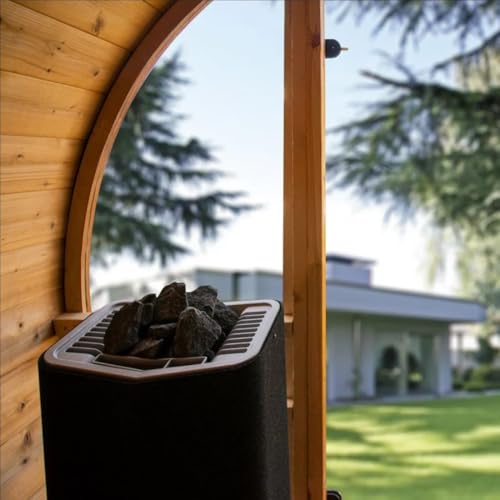

The ZONEMEL Outdoor Barrel Steam Sauna offers a luxurious spa-like experience in the comfort of your backyard. Designed for 3 to 4 people, this spacious sauna is crafted from premium Canadian Hemlock, providing excellent heat insulation and a natural, beautiful look. Equipped with a powerful 6kW ETL-certified Harvia heater and a panoramic 8mm tempered glass window, it delivers efficient heating and a stunning view of your surroundings. The outdoor design features asphalt shingles for superior waterproofing and thermal insulation. Included sauna accessories—like a wooden door handle, volcanic stones, hourglass, hygrometer, bucket, and scoop—make it easy to get started. The L-shaped bench offers comfortable seating or lounging, while the breathable ventilation hole ensures fresh air circulation during your sauna session.
This traditional dry sauna is designed for 3-4 people, crafted from premium Canadian Hemlock, and equipped with a powerful ETL-certified 6kW Harvia electric heater to deliver efficient and even heat. The sauna features a panoramic 8mm tempered glass window, allowing you to enjoy the outdoor scenery while relaxing. Its weatherproof construction, complete with asphalt shingles, provides excellent durability and thermal insulation for outdoor installation. The sauna also includes a complete accessory set with volcanic stones, a hygrometer, and an hourglass for a complete and luxurious experience. Ideal for backyard wellness enthusiasts, it offers the perfect retreat for relaxation and rejuvenation.
- Spacious Comfort: Designed for 3 to 4 people with an L-shaped bench for lounging.
- Efficient Heating: Equipped with a powerful 6kW Harvia heater and volcanic stones for quick, even heat.
- Panoramic Window: Large 8mm tempered glass offers a beautiful outdoor view while maintaining privacy and insulation.
- Assembly Required: Setup may be complex and time-consuming.
- High Price Point: Premium design and materials come at a higher cost.
- Outdoor Maintenance: Requires regular upkeep to maintain wood and roof integrity.
Amerec AK7.5 Steam Generator 9012-105
The Amerec AK7.5 is a residential electric steam generator designed to efficiently serve medium to large steam rooms between 80 and 200 cubic feet. With a powerful 7.5 kW output and built-in overload protection, it ensures safe and reliable steam production. Its compact and lightweight design allows for easy installation in a variety of home settings, making it an ideal choice for homeowners seeking to enhance their steam shower experience with a dependable and efficient generator.
Understanding the Fundamental Differences
Temperature and Humidity: The Core Distinction
The most significant difference in the dry sauna vs wet sauna debate lies in their environmental conditions. Dry saunas, including traditional Finnish saunas and modern infrared varieties, maintain temperatures between 150-195°F with humidity levels below 20%. This creates an intense, desert-like heat that promotes rapid sweating and deep tissue warming.
In contrast, wet saunas, commonly known as steam rooms or steam baths, operate at more moderate temperatures of 110-140°F but with humidity levels reaching 100%. The saturated air produces a different kind of heat experience – one that feels enveloping and moist rather than sharp and dry.
The Science Behind Heat Therapy
Both sauna types trigger similar physiological responses but through different pathways. In dry saunas, the low humidity allows sweat to evaporate efficiently, creating a cooling effect on the skin while the body works harder to regulate temperature. This process increases heart rate, improves circulation, and promotes the release of heat shock proteins that aid in cellular repair.
Wet saunas work differently. The saturated air prevents sweat evaporation, creating a greenhouse effect on the skin. This leads to more intense sweating at lower temperatures and can feel less taxing on the respiratory system for some individuals.
The Health Benefits Breakdown
Research consistently shows that both dry and wet saunas provide significant cardiovascular benefits. Regular sauna use can reduce the risk of heart disease, lower blood pressure, and improve overall heart health. The heat exposure acts as a form of cardiovascular exercise, increasing heart rate and improving blood flow throughout the body.
Dry saunas may provide slightly more intense cardiovascular stimulation due to higher temperatures, while wet saunas offer a gentler approach that may be more suitable for individuals with certain heart conditions or temperature sensitivities.
Respiratory Relief: Where Wet Saunas Excel
For individuals dealing with respiratory issues, congestion, or seasonal allergies, wet saunas often provide superior relief. The moist, warm air helps open airways, loosens mucus, and can provide immediate relief from breathing difficulties. The humidity acts as a natural decongestant, making it easier to breathe and potentially reducing symptoms of asthma or bronchitis.
Dry saunas, while beneficial for overall health, may not provide the same level of respiratory relief and could potentially irritate sensitive airways in some individuals.
Detoxification and Skin Health
When considering dry sauna vs wet sauna, both types promote detoxification through increased sweating, but they impact the skin in different ways. Dry saunas encourage rapid sweat production and evaporation, helping to cleanse pores and remove toxins efficiently. The dry heat can also benefit individuals with certain skin conditions, such as psoriasis.
On the other hand, wet saunas provide intense hydration to the skin thanks to their humid environment. This moisture-rich atmosphere is especially helpful for those with dry skin or anyone looking to improve skin elasticity and hydration. The steam opens pores deeply, allowing for thorough cleansing and enhanced skin texture.
Comfort and Tolerance Factors
Breathing Ease and Air Quality
One of the most noticeable differences between dry and wet saunas is how they affect breathing. Dry saunas can sometimes feel harsh on the respiratory system, especially for first-time users or those with breathing sensitivities. The dry, hot air may cause some individuals to feel like they need to breathe more carefully or shallowly.
Wet saunas, conversely, often feel more natural to breathe in despite the high humidity. The moist air can actually make breathing feel easier for many people, particularly those who live in dry climates or suffer from respiratory conditions.
Heat Tolerance and Adaptation
Adaptation to each sauna type follows different patterns. Dry saunas may feel intensely hot initially, but many users find that they can gradually increase their tolerance and session length over time. The key is starting with shorter sessions at lower temperatures and gradually building up endurance.
Wet saunas may feel more comfortable initially due to lower temperatures, but the humidity can make some people feel claustrophobic or overwhelmed. Building tolerance involves gradually increasing session length while learning to relax into the humid environment.
Installation and Maintenance Considerations
Home Installation Requirements
For those considering a home sauna, the installation requirements differ significantly between dry and wet options. Dry saunas, particularly infrared models, are relatively straightforward to install. They typically require standard electrical connections and minimal ventilation modifications.
Wet saunas require more complex installations, including waterproofing, drainage systems, and robust ventilation to prevent moisture damage. The installation often requires professional expertise and may involve significant modifications to existing spaces.
Long-term Maintenance Needs
In the dry sauna vs wet sauna comparison, maintenance requirements also differ significantly. Dry saunas typically need minimal upkeep, mostly limited to occasional cleaning and heater element replacement. Their dry environment discourages mold and mildew growth, making maintenance relatively straightforward.
Conversely, wet saunas demand more intensive care due to constant moisture exposure. Regular cleaning, mold prevention, drain upkeep, and ventilation maintenance are crucial to ensure safe operation and prolong the steam room’s lifespan.
Making the Right Choice for Your Wellness Journey
Personal Health Considerations
The choice between dry and wet saunas should align with your specific health goals and physical conditions. Individuals with respiratory issues, dry skin, or temperature sensitivity might find wet saunas more comfortable and beneficial. Those seeking intense detoxification, cardiovascular conditioning, or dealing with certain skin conditions might prefer dry saunas.
Consulting with healthcare providers can provide valuable insights, especially for individuals with existing health conditions or those taking medications that might affect heat tolerance.
Lifestyle and Practical Factors
Consider your lifestyle, available space, and commitment level. If you’re looking for a low-maintenance wellness addition to your home, a dry sauna might be more practical. If you enjoy spa-like experiences and don’t mind higher maintenance requirements, a wet sauna could provide the luxurious experience you’re seeking.
Budget considerations also play a role. Dry saunas typically have lower upfront costs and ongoing expenses, while wet saunas require higher initial investments and continued maintenance costs.
Common Challenges and Solutions
Overcoming Initial Discomfort
Many newcomers to sauna therapy experience initial discomfort regardless of the type chosen. This is normal and typically improves with regular use. Starting with shorter sessions, staying hydrated, and listening to your body’s signals are crucial for building positive sauna habits.
For dry sauna users, focusing on breathing techniques and gradual temperature increases can help build tolerance. Wet sauna newcomers might benefit from sitting closer to ventilation areas initially and taking breaks as needed.
Addressing Safety Concerns
Safety should always be the primary concern with any heat therapy. Understanding proper hydration, recognizing signs of overheating, and knowing when to exit the sauna are essential skills for both types. Never use saunas under the influence of alcohol or certain medications, and always consult healthcare providers if you have underlying health conditions.
Integration with Daily Routines
Successfully incorporating sauna therapy into daily life requires realistic planning and consistent commitment. Many find that scheduling regular sauna sessions, much like exercise routines, helps establish beneficial habits. Whether you choose morning sessions for energy or evening sessions for relaxation, consistency is key to experiencing the full benefits.
The Social and Cultural Aspects
Saunas have traditionally been communal spaces that foster social connections and cultural traditions. Wet saunas, with their gentler environment, often feel more conducive to conversation and social interaction. Dry saunas, while sometimes more intense, also provide opportunities for shared wellness experiences and community building.
Consider whether you prefer solitary wellness time or enjoy the social aspects of sauna use when making your choice.
Cultural Preferences and Traditions
Different cultures have developed preferences for specific sauna types based on climate, available resources, and traditional practices. Understanding these cultural contexts can provide insights into which type might feel more natural or appealing to you.
Future Trends and Innovations
Technology Integration
Modern saunas increasingly incorporate technology features like chromotherapy lighting, aromatherapy systems, and smartphone controls. Both dry and wet saunas can benefit from these innovations, though implementation may vary based on the moisture environment.
Sustainability Considerations
Energy efficiency and environmental impact are becoming increasingly important factors in sauna selection. Infrared dry saunas often consume less energy than traditional models, while steam generators for wet saunas are becoming more efficient and environmentally conscious.
Conclusion
The choice between dry and wet saunas ultimately comes down to personal preference, health goals, and practical considerations. Both offer significant wellness benefits and can become valuable additions to a healthy lifestyle. Dry saunas provide intense heat therapy with cardiovascular benefits and easier maintenance, while wet saunas offer respiratory relief and skin hydration with a more gentle heat experience.
Rather than viewing this as an either-or decision, consider that many wellness enthusiasts eventually experience both types, allowing them to choose based on their daily needs, health goals, and mood. The key is starting your sauna journey with whichever option feels most appealing and accessible to you.
The path to wellness through heat therapy is deeply personal. Whether you find yourself drawn to the intense, dry heat that challenges your limits or the enveloping, moist warmth that feels like a gentle embrace, both options offer profound opportunities for relaxation, health improvement, and personal growth. The most important step is simply beginning your journey toward better health and well-being through the ancient wisdom of sauna therapy.
Frequently Asked Questions
1. How long should I stay in a dry sauna versus a wet sauna?
For dry saunas, beginners should start with 5-10 minutes and gradually work up to 15-20 minutes maximum. Wet saunas can typically be enjoyed for 10-15 minutes initially, potentially extending to 20-25 minutes as tolerance builds. Always listen to your body and exit if you feel dizzy, nauseous, or uncomfortable.
2. Can I use both types of saunas on the same day?
Yes, many spa facilities offer both options, and some people enjoy alternating between them. If using both in one session, start with the wet sauna first, then move to the dry sauna, allowing cooling periods between sessions. This prevents overheating and allows you to experience the unique benefits of each.
3. Which type of sauna is better for weight loss?
Both types can support weight loss goals through increased heart rate and calorie burning, but the effects are temporary and primarily due to water loss through sweating. Dry saunas may burn slightly more calories due to higher temperatures, but sustainable weight loss requires proper diet and exercise combined with sauna use.
4. Are there any health conditions that make one type safer than the other?
Individuals with respiratory conditions often find wet saunas more comfortable, while those with certain heart conditions might prefer the more controlled environment of dry saunas. However, anyone with serious health conditions should consult their healthcare provider before beginning any sauna routine.
5. What’s the difference in cost between installing a dry sauna versus a wet sauna at home?
Dry saunas typically cost $3,000-$15,000 for home installation, depending on size and features. Wet saunas usually range from $5,000-$25,000 due to complex ventilation, waterproofing, and steam generation requirements. Operating costs also favor dry saunas, which generally consume less energy than steam generators.